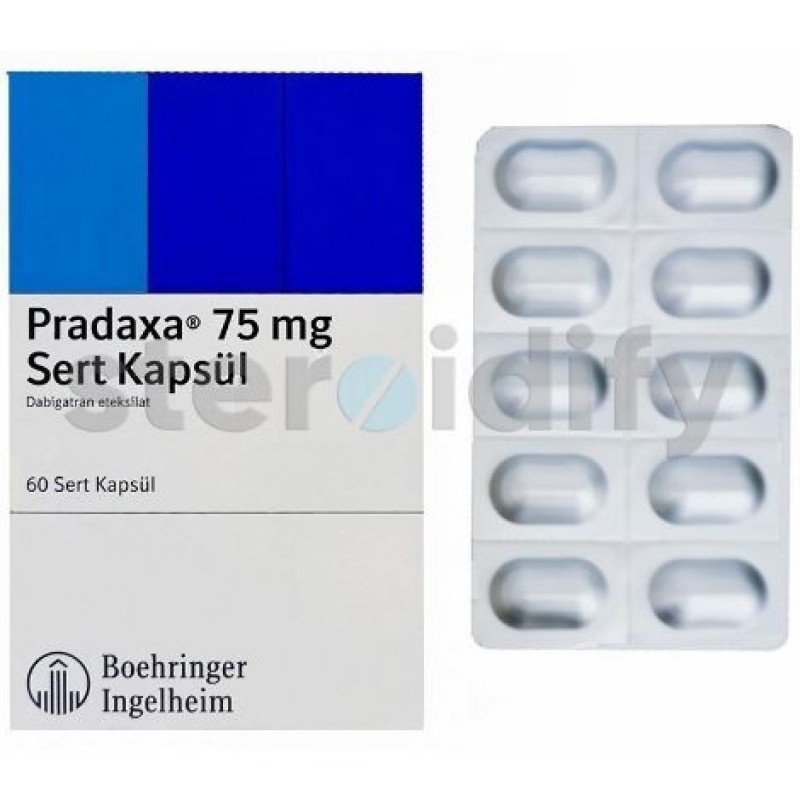
Understanding PRADAXA Boehringer Ingelheim
PRADAXA Boehringer Ingelheim is a prescription medication primarily used to prevent and treat blood clots. As part of a class of medications known as direct oral anticoagulants (DOACs), PRADAXA works by inhibiting a specific protein in the blood called thrombin. This function is crucial in managing and preventing various conditions where blood clots can pose serious health risks, such as atrial fibrillation, deep vein thrombosis (DVT), and pulmonary embolism (PE). The main task that PRADAXA addresses is the reduction of the risk of stroke and blood clots in certain patients, providing them with a sense of safety and improved health outcomes.
Intended Use and Target Audience
PRADAXA is primarily intended for adults who are at risk of stroke and blood clots due to atrial fibrillation not caused by heart valve disease. It is also prescribed for patients who have experienced DVT or PE, helping to prevent these conditions from recurring. This medication is suitable for individuals who are typically over the age of 18, including seniors who may face higher risks of thromboembolic events. However, it is crucial to consult with a doctor or specialist before beginning treatment with PRADAXA. Some contraindications include a history of bleeding disorders, active bleeding, severe kidney disease, and those who are pregnant or breastfeeding, as the effects on fetuses and infants are not fully understood. Additionally, it may not be appropriate for individuals who are under the age of 18, making it essential for healthcare professionals to assess each patient’s unique health situation.
Key Benefits of PRADAXA Boehringer Ingelheim
One of the leading benefits of PRADAXA Boehringer Ingelheim is its effectiveness in preventing strokes in patients with non-valvular atrial fibrillation. For seniors or those with conditions that put them at risk for blood clots, the medication provides a reliable solution that can lead to improved quality of life. Other groups that benefit from PRADAXA include patients who have undergone certain types of surgeries that increase the risk of DVT, such as hip or knee replacements. The drug is also useful for individuals who have a history of blood clots, allowing them to maintain their daily activities without the constant anxiety of potential thrombotic events. Overall, PRADAXA is especially suitable for those seeking long-term anticoagulation therapy that can help them lead a more active and fulfilling life.
Core Value and Advantages of PRADAXA
The primary value provided by PRADAXA Boehringer Ingelheim is its capability to significantly reduce the risk of life-threatening blood clots and strokes, empowering patients with peace of mind. The ease of administration, as it can be taken orally without the need for regular blood monitoring unlike some other anticoagulants, adds an element of convenience that many patients appreciate. Furthermore, PRADAXA's predictable pharmacokinetics mean that dosing adjustments are often unnecessary, making it easier for patients and healthcare providers to adhere to treatment regimens. In situations where patients experience a bleeding event, PRADAXA also has a specific reversal agent, idarucizumab, available, which further enhances the safety profile of this medication. Overall, PRADAXA stands out as a valuable tool in the management of anticoagulation therapy, providing a reliable and effective solution for individuals at risk of thromboembolic complications.