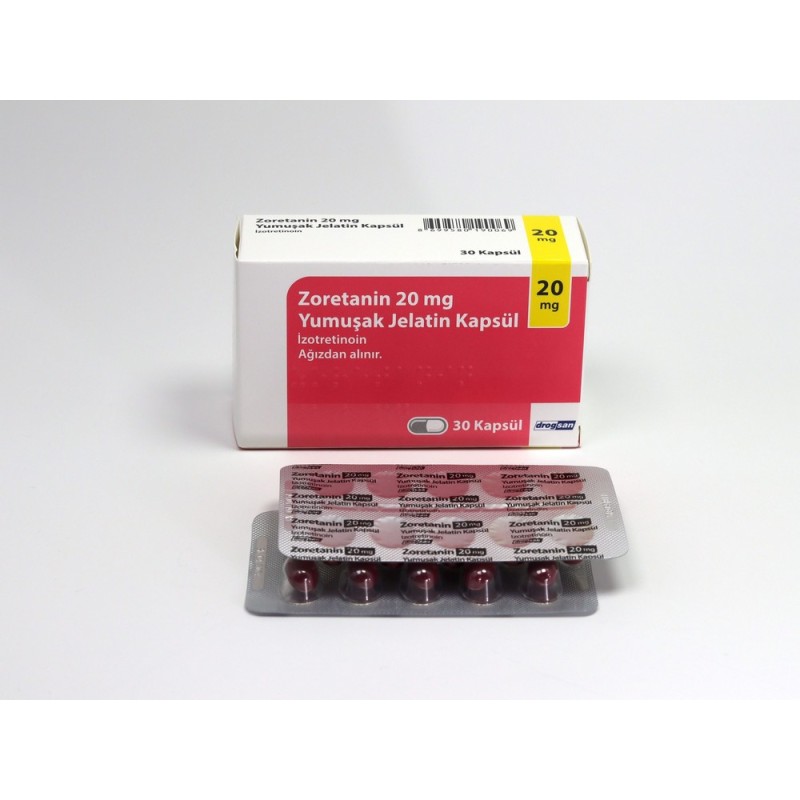
Understanding Zoretanin 20 mg (Accutane) Pharmaceutical
Zoretanin 20 mg (Accutane) Pharmaceutical is a prescription medication primarily used to treat severe acne that has not responded to other treatments. The active ingredient, isotretinoin, functions by reducing the amount of oil released by oil glands in the skin, leading to decreased acne formation. In addition to this primary action, it also promotes the regeneration of skin cells, effectively preventing the development of acne lesions. One of the distinguishing characteristics of Zoretanin is its ability to reduce the size and activity of sebaceous glands, making it especially effective in treatment protocols for cystic or nodular acne cases. Its potency requires careful management by healthcare professionals due to its potential side effects and contraindications.
Available Formats and Forms
Zoretanin 20 mg (Accutane) Pharmaceutical is available in capsule form, which allows for easy administration and accurate dosing. The capsules are typically taken orally with water, and they should be consumed with food to enhance absorption. This format is particularly beneficial for patients who might struggle with other delivery methods. Additionally, the capsules are available in different dosages, giving healthcare providers flexibility in treatment plans tailored to individual patient needs. While Zoretanin is the branded version, isotretinoin is also commonly found in generic forms, offering options based on patient preferences and insurance coverage.
Why Choose Zoretanin 20 mg (Accutane) Pharmaceutical Over Other Options
When considering acne treatment options, Zoretanin 20 mg (Accutane) Pharmaceutical stands out due to its unique mechanism of action and effectiveness in severe cases. Unlike topical treatments or antibiotics, which may only target surface acne or bacterial growth, isotretinoin addresses the underlying causes of acne formation. Moreover, many patients find that other treatments do not yield long-term results, whereas Zoretanin has been associated with more sustained remission from severe acne post-treatment. Patients should also acknowledge that while alternative medications may have fewer side effects, they may not achieve a comparable level of success for inflammatory acne. Therefore, weighing the pros and cons and discussing treatment goals with a healthcare provider can support the decision-making process.
Long-Term Effects and Considerations
The long-term effects of using Zoretanin 20 mg (Accutane) Pharmaceutical can be significant, as many users experience substantial improvements in their skin condition. However, it's crucial to note that isotretinoin is not suitable for everyone. It is contraindicated in pregnant women due to the high risk of severe birth defects, and its use in minors should be approached with caution. Individuals with liver disease, high cholesterol, or a history of mental health issues may also need alternative treatments. Regular follow-ups are necessary for monitoring potential side effects such as dry skin, lip dryness, and mood changes. Consideration of these factors is vital for ensuring that the treatment is effective and safe for the patient’s overall health.
Practical Advice for Using Zoretanin 20 mg (Accutane) Pharmaceutical
When choosing to start Zoretanin 20 mg (Accutane) Pharmaceutical, patients should consult with a dermatologist or healthcare professional to establish a personalized treatment plan. It's essential to discuss medical history, current medications, and any concerns regarding side effects. Patients are advised to undergo pregnancy testing before starting treatment, and they should be informed about the risks to use effective birth control methods during therapy. Regular blood tests may also be necessary to monitor liver function and lipid levels throughout the course of treatment. Familiarizing oneself with potential side effects and a commitment to follow-up appointments can help maximize the benefits of this powerful medication while managing risks adequately.